

It can be difficult to grasp why cutting back on video games feels so difficult, even when the consequences of gaming addiction become abundantly clear. Despite the erosion of relationships, career, personal goals, or physical health—attempts to change often provoke intense discomfort, resistance, or a sense of loss. From a clinical standpoint, this response is not surprising.
Gaming often serves multiple functions simultaneously. It can regulate mood, reduce anxiety, provide social connection, offer a sense of autonomy, and create structure in an otherwise overwhelming world. When a person attempts to reduce gaming without replacing these functions, they are not simply giving up an activity—they are relinquishing a primary coping strategy. As Dr. Alok Kanojia has noted in his educational work, change efforts that focus solely on restriction tend to fail when the psychological role gaming plays is not addressed. Sustainable change requires understanding what gaming has been doing for the individual and intentionally building alternative ways to meet those same needs in the real world.
Neurobiological processes contribute to gaming addiction, but clinicians are generally cautious about relying on overly simplified explanations. Reward-learning systems in the brain help reinforce behaviors that feel meaningful or salient, particularly those that offer rapid feedback and high stimulation. Extended gaming sessions can make less stimulating tasks feel disproportionately difficult by comparison. However, focusing too narrowly on neurotransmitters risks obscuring the broader emotional, relational, and developmental factors that sustain gaming behavior.
In therapeutic work, the goal is rarely to “override” brain chemistry. Instead, therapy emphasizes increasing awareness of internal states, expanding tolerance for discomfort, and cultivating flexibility in how individuals respond to stress and unmet psychological needs. When gaming begins to lose its status as the sole source of relief or meaning, motivation to engage elsewhere often returns gradually.
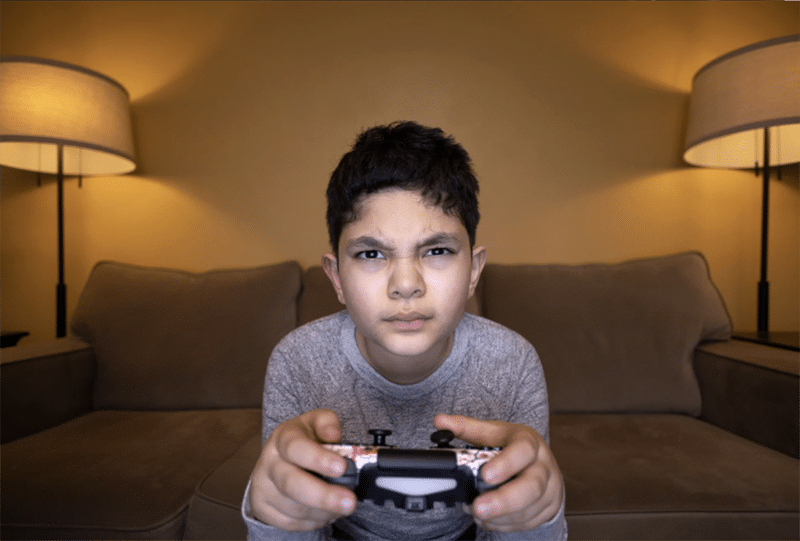
Ambivalence about change is common and expected. Many individuals feel torn between recognizing the costs of gaming and fearing the loss of something that has provided comfort, identity, or connection. Clinicians view this ambivalence not as resistance, but as a meaningful signal. Gaming has served an important function. It makes sense that letting go of it—even partially—would feel threatening before alternative supports are in place.
For this reason, therapeutic approaches tend to emphasize expansion rather than abstinence. Treatment focuses on helping individuals build a broader range of ways to meet psychological needs—whether through relationships, creative pursuits, physical activity, skill development, or addressing underlying mood or anxiety symptoms. Progress is often measured not by the absence of gaming, but by increased engagement with life outside of gaming and a growing capacity to tolerate frustration and uncertainty.
It is also important to recognize that reducing reliance on gaming may initially feel uncomfortable. Boredom, irritability, restlessness, and low mood are common during periods of change. Clinically, these experiences are often understood as part of the nervous system recalibrating after the loss of a familiar coping strategy. With time, structure, and support, they tend to soften.
Professional support may be particularly helpful when gaming leads to significant mood symptoms, conflict within families and relationships, persistent functional impairment, or repeated unsuccessful attempts to cut back.

Ultimately, gaming disorder is best understood not as a failure of willpower, but as a signal. It points toward unmet psychological needs and emotional experiences that have not yet found expression elsewhere. When these underlying factors are addressed within a supportive therapeutic relationship, gaming often becomes less compelling on its own. The goal is not to eliminate video games entirely, but to restore choice—allowing gaming to return to its place as one part of a full and meaningful life.