
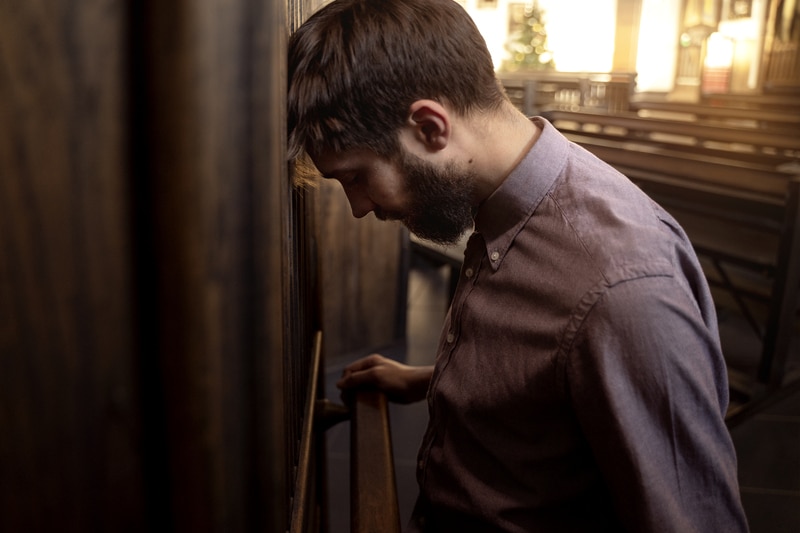
Although religious beliefs and practices can provide people with a sense of community and connection, many people suffer from religious trauma, also known as Religious Trauma Syndrome. Religious trauma occurs when a person’s experiences involving religion cause long-term psychological harm.
Unlike religious abuse, religious trauma doesn’t come from one or even several distressing events. Religious trauma accumulates over time through harmful messages and teachings that undermine the people on the receiving end of those messages. This gradual accumulation can make it difficult for individuals to recognize what’s happening until the damage becomes significant.
The slow build-up of harmful teachings and messaging means that survivors often see their experiences as the norm. They often hold on to the belief that what they endured was just a part of religious devotion rather than psychological harm.
Some people experience direct abuse, including physical punishment justified by religious teachings. Others face psychological manipulation. Authority figures may use threats of a person being shunned in this life or sent to hell in the next to control their behavior.
Common Sources of Religious Trauma
Religious trauma develops from authoritarian belief systems. These “my way or the highway” systems reinforce and reward unquestioning obedience and conformity. Fundamentalist groups often exert high control over their members, providing rigid rules for how members must live and using manipulative tactics to keep people within the belief system. Many of these systems and communities encourage the use of shame and humiliation to keep everyone in line with specific doctrines.
Sexual abuse within religious institutions is one of the most damaging forms of trauma. People face not only the trauma of the abuse itself but also spiritual confusion and betrayal. Survivors may struggle with feelings that God allowed or even sanctioned their suffering. The institutional cover-ups and protection of abusers that often occur in religious settings worsen the original trauma, leaving survivors feeling abandoned by both their community and their faith.

Recognizing the Signs of Religious Trauma
The signs of religious trauma are similar to those of post-traumatic stress disorder (PTSD). The effects often include intrusive thoughts, nightmares, and heightened anxiety around religious practices.
- People experience intense feelings of guilt and shame that stick around long after leaving their religious community.
- Depression and anxiety
- The fear of punishment, whether earthly or eternal, may continue to influence a person’s behavior even after they reject their old beliefs.
- Loneliness and feelings of isolation
- Trust becomes a significant issue for many survivors. Having experienced betrayal from spiritual leaders or communities they once trusted, forming new relationships can be a scary experience.
- Weak or non-existent personal boundaries.
- Difficulty setting boundaries and establishing limits.
Healing from Religious Trauma
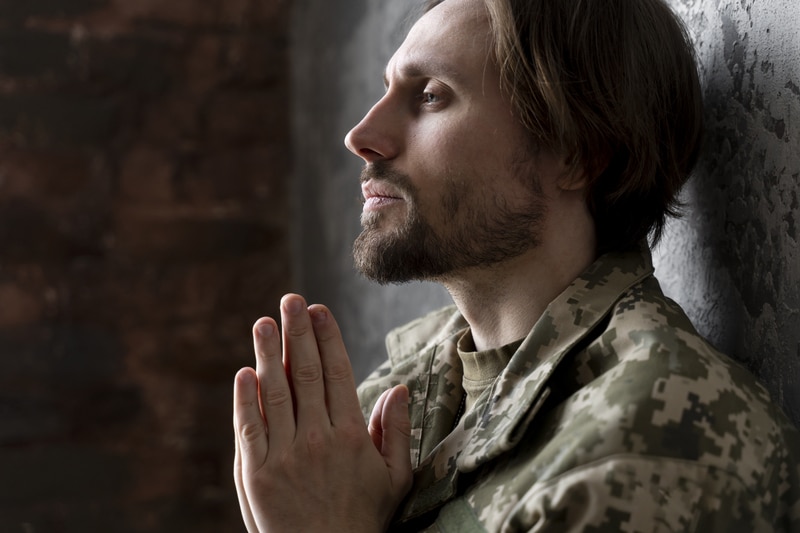
If you or someone you love is struggling with religious trauma, keep in mind that you are not alone. More people than ever before are leaving or changing their religion. Millions of people also experience recovery from religious trauma. Professional counseling provides a safe space to process experiences without judgment. Therapists experienced in trauma-informed counseling understand the challenges survivors face.
Healing often involves remaking one’s personal values and beliefs from the ground up. Some survivors find meaning in different spiritual traditions, while others embrace secular philosophies. The key is allowing yourself the freedom to explore without pressure or predetermined outcomes.
Creating new, healthy social interactions and connections becomes helpful for many survivors. Support groups for religious trauma survivors offer understanding and validation from others who’ve walked similar paths. These connections help combat the isolation that often accompanies religious trauma.
This might involve practicing saying “no,” expressing disagreement, or making choices based on personal values rather than external rules. Each small act of self-determination helps rebuild the sense of agency that trauma destroyed.
Learning to trust one’s own judgment and intuition becomes a crucial part of the healing journey, especially for those who were taught that their own thoughts and feelings were inherently sinful or unreliable.

References
Singh, S., Yadav, A. K., Chauhan, V. S., & Agrawal, M. (2024). Religious trauma syndrome: The futile fate of faith. Industrial psychiatry journal, 33(Suppl 1), S309–S310. https://doi.org/10.4103/ipj.ipj_87_24